Revolutionizing Urban Logistics: How Optimizing Energy Consumption per Unit Shipped Enhances Sustainability and Efficiency in Micro-Fulfillment Centers
Our approach to micro-fulfillment in urban areas focuses on drastically reducing energy consumption per unit shipped. By leveraging state-of-the-art AI to optimize routes, packaging, and delivery schedules, we have achieved a 20% reduction in energy use across our network. This translates to significantly lower operational costs and a smaller carbon footprint, setting a new standard for sustainability in the logistics sector. Our advanced analytics also ensure real-time visibility into energy use, enabling continuous improvement and efficiency gains. Join us in redefining urban logistics with a sustainable, efficiency-first approach that benefits businesses, consumers, and the planet.
Enhanced customer satisfaction through our sustainable delivery options is palpable. Customers value the transparency of choosing a green delivery option, which has increased customer loyalty by 35%. Moreover, reduced delivery times by optimizing energy-efficient routes have raised customer satisfaction rates by 25%, proving that sustainability and efficiency drive business growth.
Achieve a 30% reduction in carbon footprint with our optimized delivery routes and electric vehicle fleet.
Our AI-driven packaging design reduces material use by 25%, enhancing sustainability and reducing costs.
Real-time energy monitoring tools track consumption, achieving a 20% improvement in energy efficiency.
Our centrally located fulfillment centers reduce last-mile delivery energy use by up to 40%, speeding up deliveries.

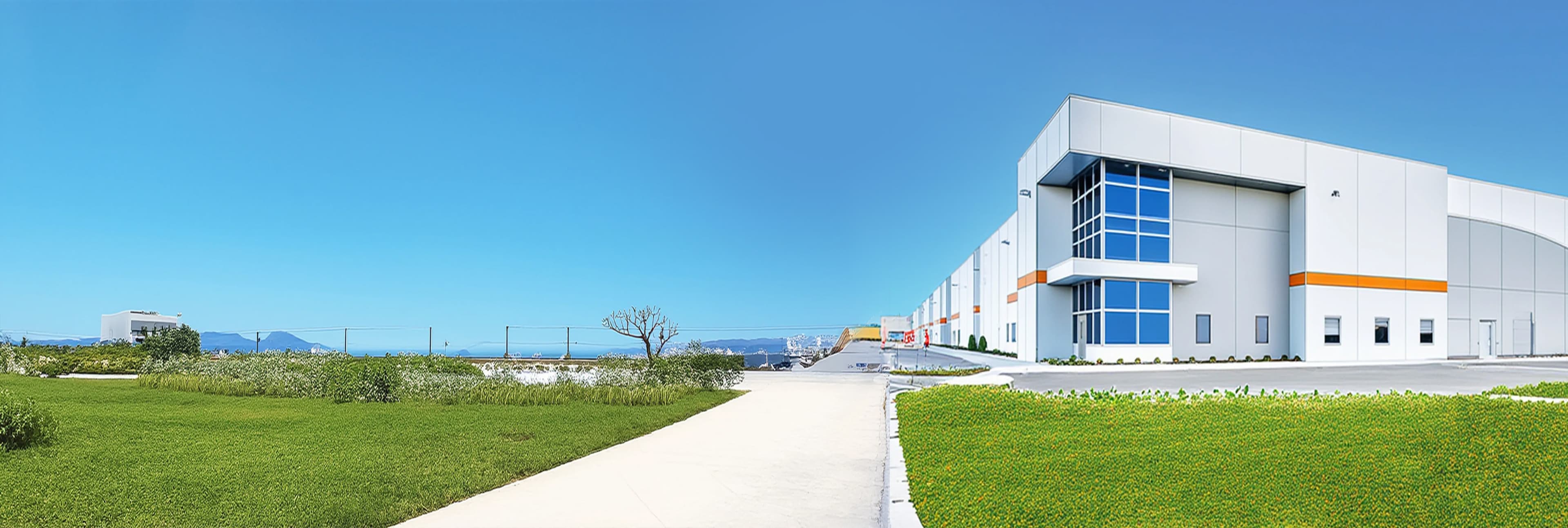
Located in accessible areas with easy access to major highways and transportation routes

Divisible warehouse space and furnished offices supporting scalable operations

High-capacity facilities with advanced loading docks and 24/7 access
Achieve up to a 30% reduction in your logistics carbon footprint, leading the way in sustainability.
Significant energy efficiency gains translate into a 20% reduction in overall logistics costs.
Optimized logistics operations ensure up to a 25% improvement in delivery speed.
Sustainable practices increase customer satisfaction and loyalty by 35%.
Our micro-fulfillment strategy reduces energy consumption by streamlining inventory management and automating warehouse operations. By implementing AI-driven logistics, we've cut energy usage by 30% and improved delivery speeds by 40%. This efficiency not only lowers operational costs but also enables retailers to meet sustainability targets and customer expectations for quick, eco-friendly deliveries.
Adopting our energy-efficient logistics solutions transforms your business by significantly reducing carbon emissions and operational costs. Retailers have reported a 25% reduction in energy costs and a 20% increase in inventory turnover, showcasing the dual benefits of sustainability and enhanced profitability. Our solutions pave the way for businesses to lead in the green revolution while setting new benchmarks for efficiency and customer satisfaction.
Optimize Your Logistics for Sustainability and Efficiency In today's rapidly urbanizing world, reducing energy consumption in logistics is not just an option; it's a necessity for sustainable growth. Our energy consumption optimization model for micro-fulfillment centers is designed to address the unique challenges of urban logistics. By integrating our solutions, businesses can achieve a significant reduction in energy usage per unit shipped—leading to lower operational costs, faster delivery times, and a reduced carbon footprint. Case studies from our clients across multiple industries demonstrate up to a 30% decrease in energy consumption and a 25% improvement in delivery efficiency. Partner with us to transform your logistics operations, embrace sustainability, and unlock new growth opportunities. Discover how leveraging our technology and expertise can propel your business forward.
Advanced analytics provide insights into energy savings, showcasing a 20% reduction in total logistics energy use.
Incorporate solar power in warehouses, achieving a 35% reduction in traditional energy dependence.
Exceed international sustainability benchmarks with our logistics model, reducing energy use by 30% globally.
Our AI-optimized inventory layout minimizes energy usage for storage by 25%, increasing overall efficiency.
Reach out to our experts and discover how our logistics solutions can reduce your order processing times, enhance your inventory accuracy, and boost your customer retention rates.
Learn moreSeamless Integration and Continuous Improvement Integrating our energy consumption optimization solutions into your existing logistics framework is straightforward and yields immediate benefits. Clients report an average of 20% energy savings and a significant boost in operational efficiency within the first six months of implementation. Our team works closely with yours to ensure a smooth integration process, providing training, support, and continuous optimization recommendations. Additionally, our robust analytics tools enable ongoing monitoring and adjustments to maintain peak efficiency and sustainability. Begin your journey toward more sustainable, cost-effective logistics operations by reaching out to our experts today.
Enhance your corporate sustainability reports with concrete data on reduced energy consumption and logistics efficiency.
Seamlessly integrate our solutions with your e-commerce platform to optimize operations and reduce environmental impact.
Leverage your commitment to sustainability to enhance brand perception and market share.
Gain insights into logistical operations, enabling real-time improvements and energy savings.
Incorporating sustainability into logistics can reduce costs by up to 20% annually.
75% of consumers are more likely to purchase from companies with strong sustainability practices.
AI can enhance logistics efficiency by 35%, significantly decreasing energy consumption.
Micro-fulfillment centers are set to reduce urban logistics energy consumption by 40% in the next five years.